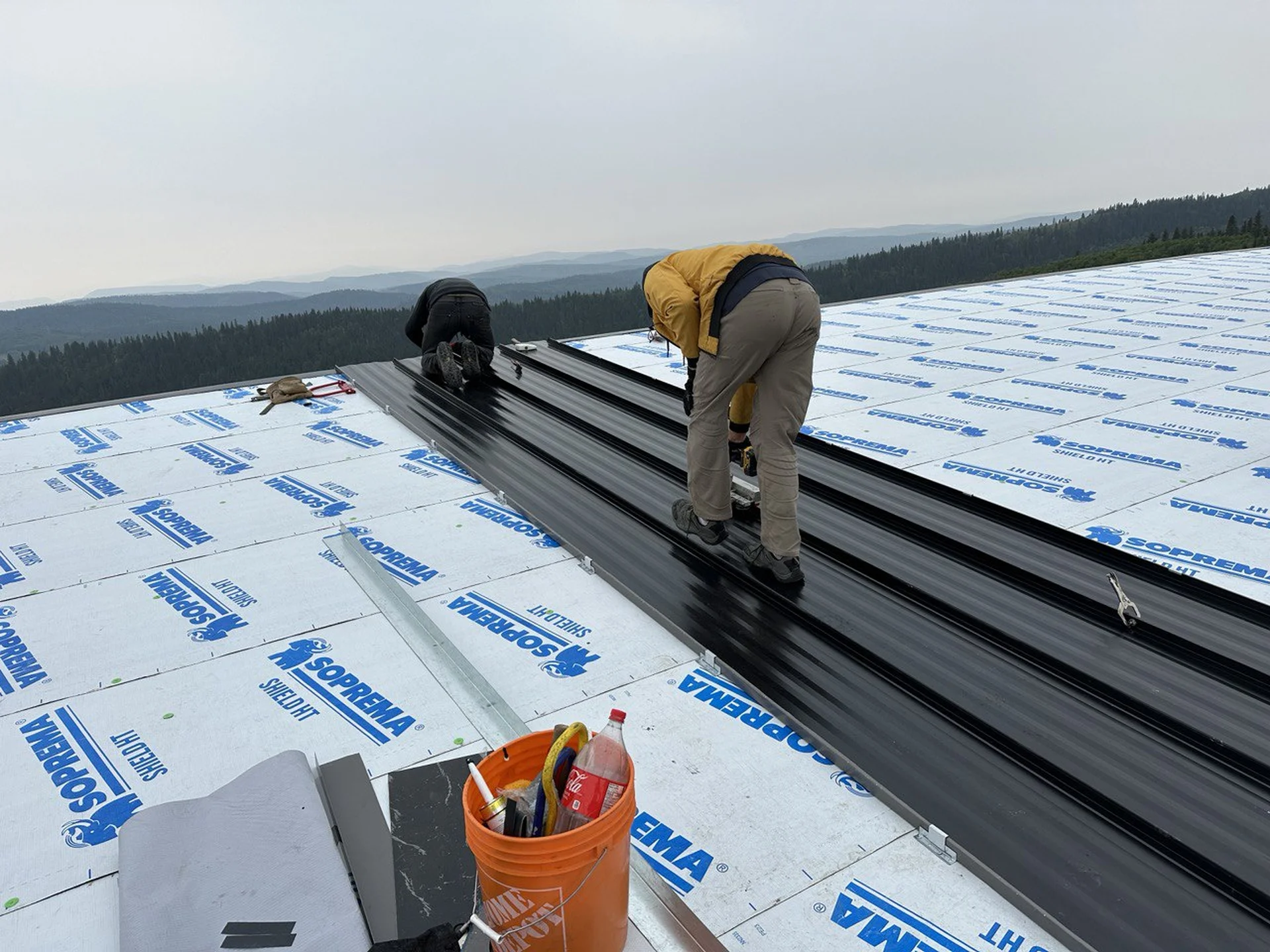
Metal roofing sheets are made from steel, aluminum, or coated metals and are designed to protect buildings from the weather and last a long time. In places like Calgary, where homes deal with hail, strong winds, heavy snow, and quick temperature changes, metal roofing is becoming a popular choice instead of asphalt shingles.
Advanced Roof Systems says many homeowners start by searching for terms like metal roofing sheets, corrugated metal roofing sheets, or cheap metal roofing sheets near me. They are usually looking for a roof that balances cost, durability, and looks. However, metal roofing is not just one product. It includes many types, thicknesses, and installation methods, each fitting different budgets and building needs.
Metal roofing sheets are used on:
- Residential homes
- Garages and sheds
- Cabins and farm buildings
- Commercial and industrial structures
When chosen correctly and installed properly, a metal roof can last several decades, resist hail damage better than shingles, and reduce long-term maintenance costs.
Metal Roof Types: Roofing Sheets Names & Categories
There are several types of metal roofing sheets, each made for different building styles, budgets, and needs. This section gives a quick overview of the main categories, so you can get familiar with your options before we look at each one in more detail later.
The most common metal roof types and roofing sheets include:
- Standing seam metal panels
- Corrugated metal roofing sheets
- Ribbed metal roofing panels (AG, PBR, R-Panel)
- Metal tiles
- Metal shingles (including slate-look profiles)
- Steel shakes
- Flat metal roofing sheets
All of these are types of metal roofing, but they look different, come in different thicknesses, use different fasteners, and vary in how long they last and how much they cost. The best choice for you depends on your roof’s slope, the local climate, your budget, and what you want in the long run.
What Metal Roofing Sheets Are Made Of
Metal roofing sheets are made from layers of materials, with each layer serving a specific purpose for strength or protection. How well a metal roof performs and how long it lasts depends on the type of metal, the coating, and the paint or finish used.
1. Steel Core (Structural Layer)
Most metal roofing sheets for homes and businesses are made from carbon steel. This steel gives the roof its strength, helps it resist impacts, and lets it cover framing without bending.
Typical steel thickness (gauge):
- 29 gauge ≈ 0.36 mm
- 26 gauge ≈ 0.48 mm
- 24 gauge ≈ 0.61 mm
- 22 gauge ≈ 0.76 mm
A lower gauge number means the steel is thicker and stronger. In places like Alberta that get a lot of hail, 24 to 26 gauge steel is usually recommended because it resists dents and lasts longer.
2. Metallic Protective Coatings (Corrosion Protection)
Bare steel rusts quickly when exposed to moisture and oxygen. To prevent corrosion, metal roofing sheets are coated with zinc or aluminum-based alloys.
Galvanized Steel (Zinc Coating)
Galvanized steel is coated with nearly pure zinc, typically 99% zinc, with a small aluminum content (0.15–0.20% aluminum) added to improve coating adhesion.
- Zinc protects steel through sacrificial corrosion
- If the coating is scratched, zinc corrodes first, protecting the steel underneath
- Particularly effective in high-ammonia environments
Galvalume® (Aluminum-Zinc Alloy Coating)
Galvalume-coated steel uses a metallic alloy composed of:
- 55% aluminum
- 43.4% zinc
- 1.6% silicon
This combination provides:
- Superior resistance to uniform corrosion
- Improved heat reflectivity due to high aluminum content
- Longer service life in high-moisture or coastal environments
However, aluminum does not protect steel the same way zinc does in places with a lot of ammonia, so galvalume is not the best choice for farm buildings.
3. Aluminum Roofing Sheets
Some metal roofing sheets are manufactured from solid aluminum rather than steel.
- Naturally corrosion-resistant
- Does not rust
- No zinc or aluminum-zinc coating required
Aluminum works very well in coastal areas where salt can quickly damage steel. However, it is softer than steel and can dent more easily from hail unless you use thicker panels.
4. Premium Metals: Copper & Zinc
While less common for mass-market roofing sheets, premium metals are still used in architectural applications.
Copper
- Naturally corrosion-resistant
- Develops a protective patina over time
- Extremely long lifespan (often 70+ years)
Zinc
- Self-healing surface through patina formation
- Excellent corrosion resistance
- Requires precise installation due to thermal movement
Because of their higher cost, these materials are usually used for custom projects.
5. Paint & Finish Systems (Top Protective Layer)
Most metal roofing sheets have a painted finish applied over the metal coating. This paint protects against sun damage, fading, and surface wear.
Common Paint Systems
- Polyester (PE): entry-level, shorter lifespan
- SMP (Silicone-Modified Polyester): improved durability
- PVDF / Kynar 500®: premium system with exceptional UV resistance
High-quality finishes like Kynar 500® (PVDF) are often used on standing seam panels, metal shingles, and architectural metal roofs.
Standing Seam Metal Roofing Sheets
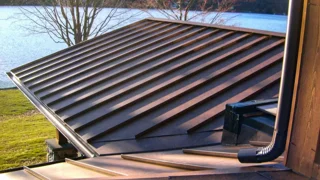
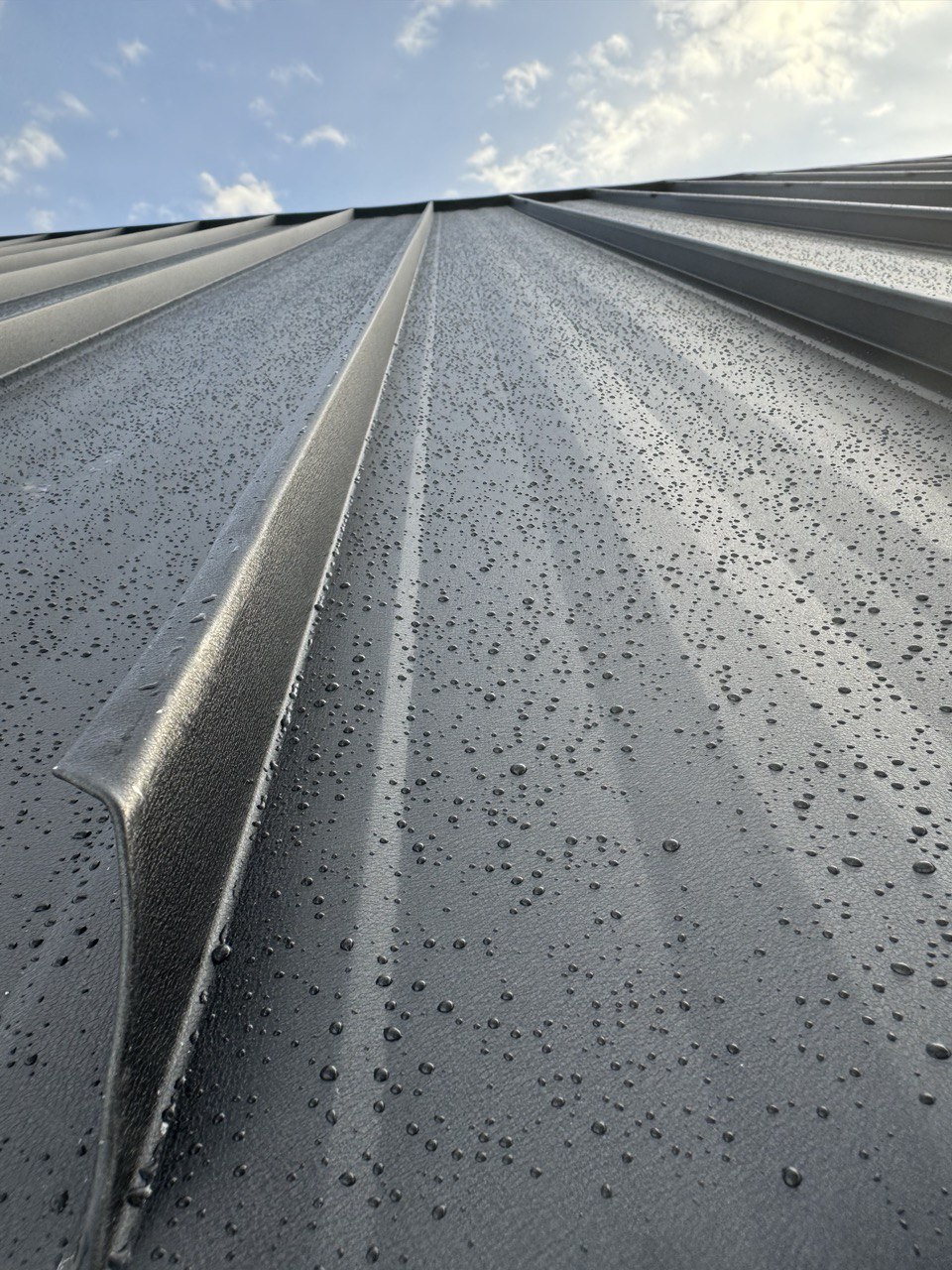
Standing seam metal roofing sheets are durable and withstand the weather well. The panels are installed vertically and lock together with raised seams above the water run, which helps prevent leaks.
Panel Widths
Standing seam panels come in different widths, usually between 12 and 18 inches. Narrower panels help control movement from temperature changes, while wider panels have fewer seams and can be installed a little faster.
Two Main Types of Standing Seam Metal
Not all standing seam panels are made from the same type of steel. The metal you choose affects how the roof will last and perform.
Galvalume Standing Seam
- Composition: 55% aluminum, 43.4% zinc, 1.6% silicon
- Thinner and softer material compared to galvanized steel
- Excellent corrosion resistance in coastal and high-moisture environments
- Not ideal for high-ammonia conditions (such as livestock barns)
Best for: coastal regions, areas with high humidity, residential roofing in non-agricultural settings
Galvanized Standing Seam
- Base steel with 0.15–0.20% aluminum and a pure zinc protective coating
- Stronger and more rigid than galvalume
- Performs better in high-ammonia environments
- Often preferred for agricultural and industrial applications
Finish Options
- Painted finishes: available in matte or glossy
- Unpainted galvanized steel: bright, shiny appearance with visible crystalline “spangle” pattern
- Galvalume finish: uniform, matte silver look with less visual texture
Standing seam roofs are popular for homes, modern buildings, and commercial spaces because they last a long time, look clean, and need little maintenance.
Corrugated Metal Roofing Sheets
Corrugated metal roofing sheets are easy to recognize and are widely used. Their wavy S-shaped design has been used for many years on homes, farms, and utility buildings.
Gauge & Profile
Commonly available in 26-gauge or 24-gauge.
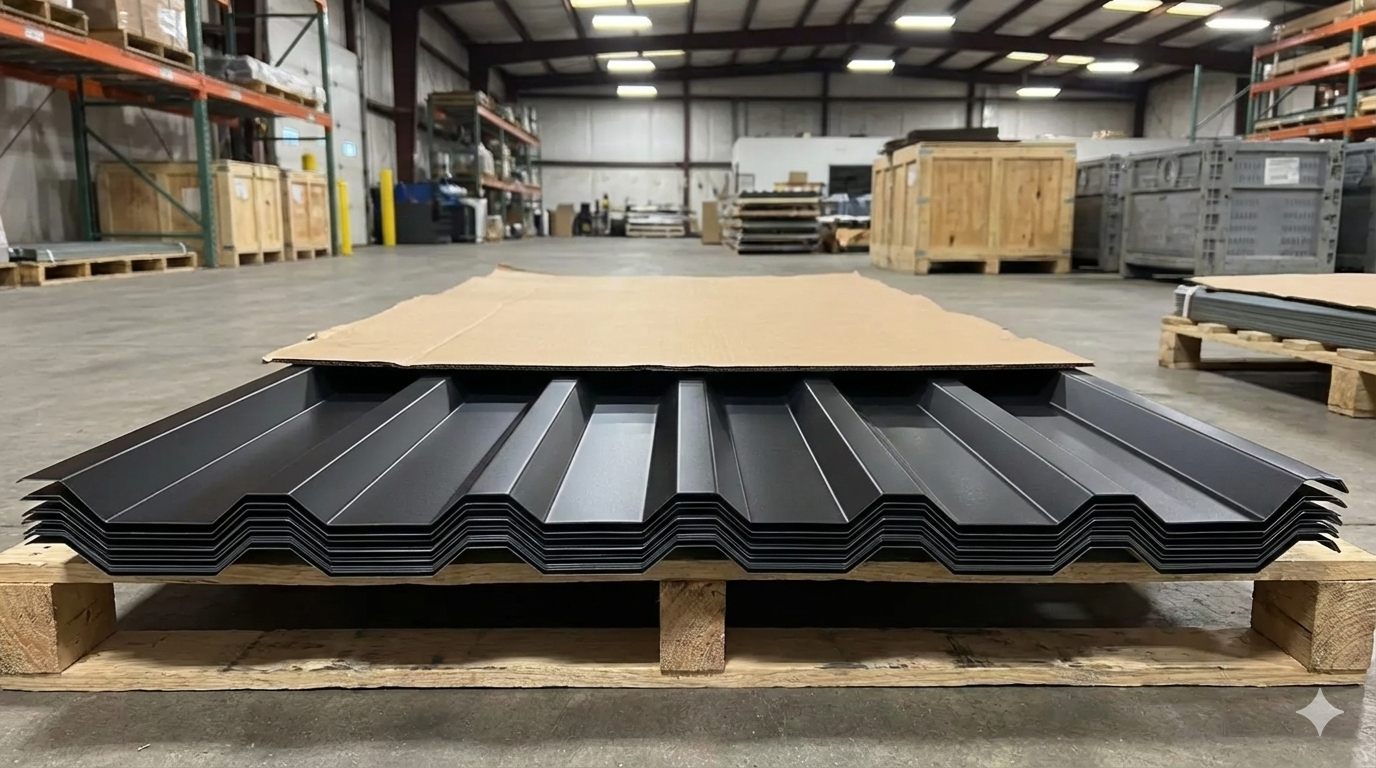
Corrugated panels come in different widths and thicknesses, with the exact size set by the manufacturer. Their curved shape can use more metal than flat panels, which affects thickness. This design also means they handle weight differently than flat ribbed panels, which changes their strength and how much area they cover.
Cost & Installation
- In our experience, corrugated metal roofing sheets usually cost less at first and are easier to install. This makes them a popular choice for DIY projects, especially for people looking to save money.
Coverage Considerations
Construct Vision Corp. notes that when installing corrugated metal sheets for roofing, the sheets need to overlap by two full corrugations to ensure proper coverage. This overlap:
- Reduces usable coverage per panel
- Requires purchasing more material to cover the same roof area
- Can offset some of the initial material savings
Best applications: sheds, garages, cabins, barns, workshops, and budget-focused projects.
Ribbed Metal Roofing Panels (AG, PBR, R-Panel)
Ribbed metal roofing panels, often referred to as AG panels, PBR panels, or R-panels, use a boxier rib profile instead of waves. This design significantly increases structural strength.
Gauge Options
- 29-gauge is the standard (thinner, more economical)
- 26-gauge is common for stronger R-panel variants
Rib Design & Strength
- Deeper, square ribs make these panels more rigid than corrugated sheets
- R-panels typically have ribs around 1¼ inches high
- Increased rigidity allows panels to span greater distances between purlins, reducing framing requirements
Coverage Efficiency
One of the biggest advantages of ribbed panels is efficiency:
- Each panel provides a full 36 inches of coverage
- You pay for the exact square footage you receive
- No hidden material loss from wave overlaps
Ribbed panels might cost a bit more per foot than corrugated sheets, but because they cover more area, you often end up spending less on materials overall.
Best Use Cases
- Agricultural buildings
- Industrial facilities
- Some commercial structures
Residential and commercial projects often choose standing seam panels instead of ribbed panels because ribbed panels have exposed fasteners.
Metal Shingles & Steel Shakes
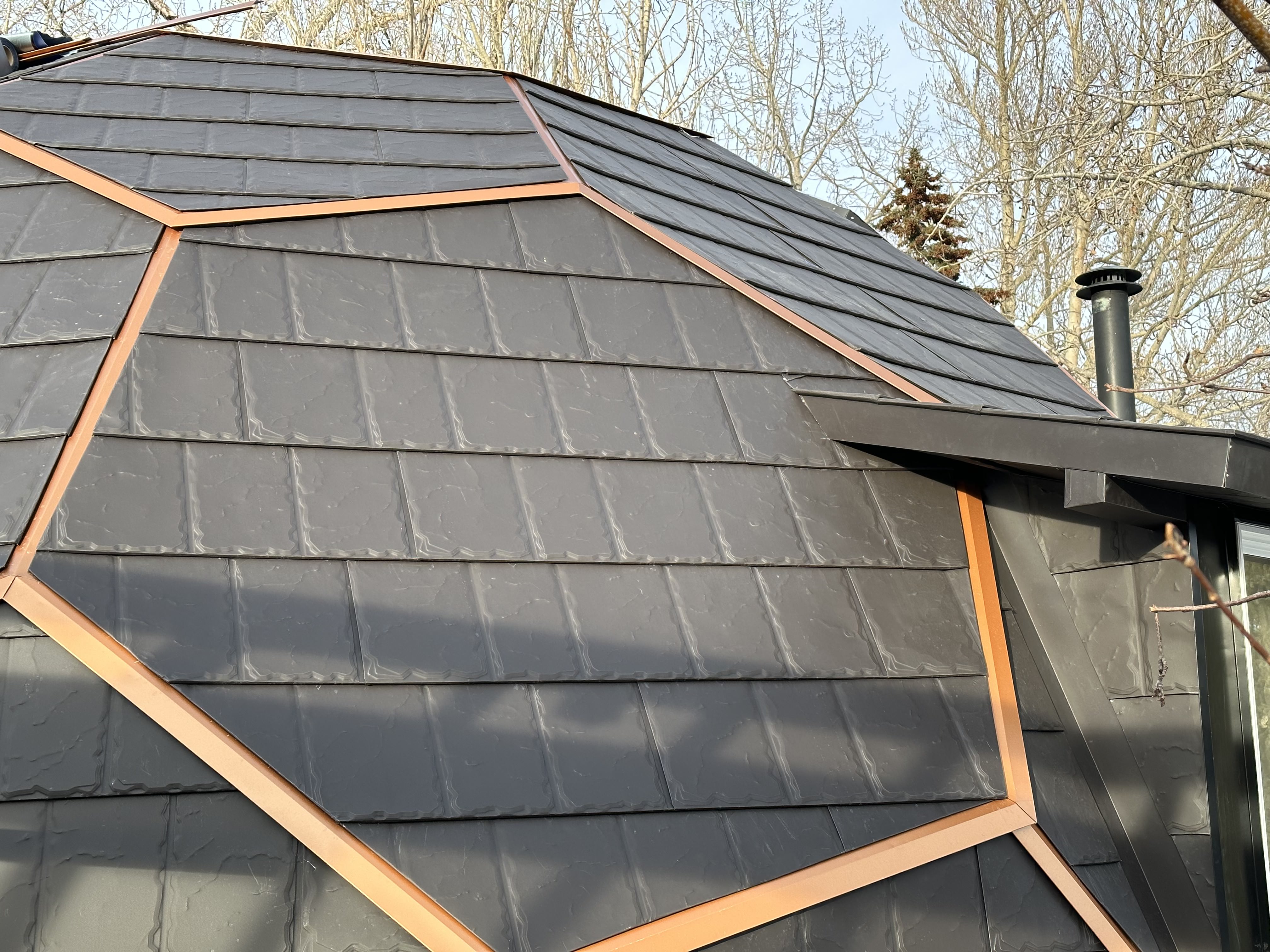
Metal shingles and steel shakes are often grouped together because they share similar materials and installation methods while offering different visual styles.
Common Materials
- Gauge range: typically 28–26 gauge
Galvalume-Coated Steel (Most Common)
- Carbon steel core
- Metallic coating composed of: 55% aluminum, 43.4% zinc, 1.6% silicon
- Often finished with Kynar 500® (PVDF) paint for superior colour retention and UV resistance
Solid Aluminum
- Made from natural aluminum
- Naturally rust-resistant
- Does not require zinc coating
- Especially suitable for coastal or high-salt environments
Other Premium Metals
- Copper
- Zinc
These materials are less common and primarily used in high-end architectural applications. Over time, they develop a natural patina that changes appearance as they age.
Stone-Coated Steel
- High-grade steel sheets
- Coated with natural stone granules
- Granules are bonded using an acrylic resin
- Designed to mimic the look of real slate or cedar shakes closely
Metal shingles and steel shakes are frequently chosen for their balance of durability, impact resistance, and traditional aesthetics.
Where to Buy Metal Roofing Sheets in Alberta
Metal roofing sheets can be purchased through retail building supply stores and professional roofing suppliers across Alberta.
Retail & Building Supply Stores
- Home Depot
- Lowe’s
- RONA
- Home Hardware
Professional Roofing & Metal Suppliers
- Roofmart
- Vicwest
- Metal Experts
- Ideal Roofing
- Metal Exterior Products