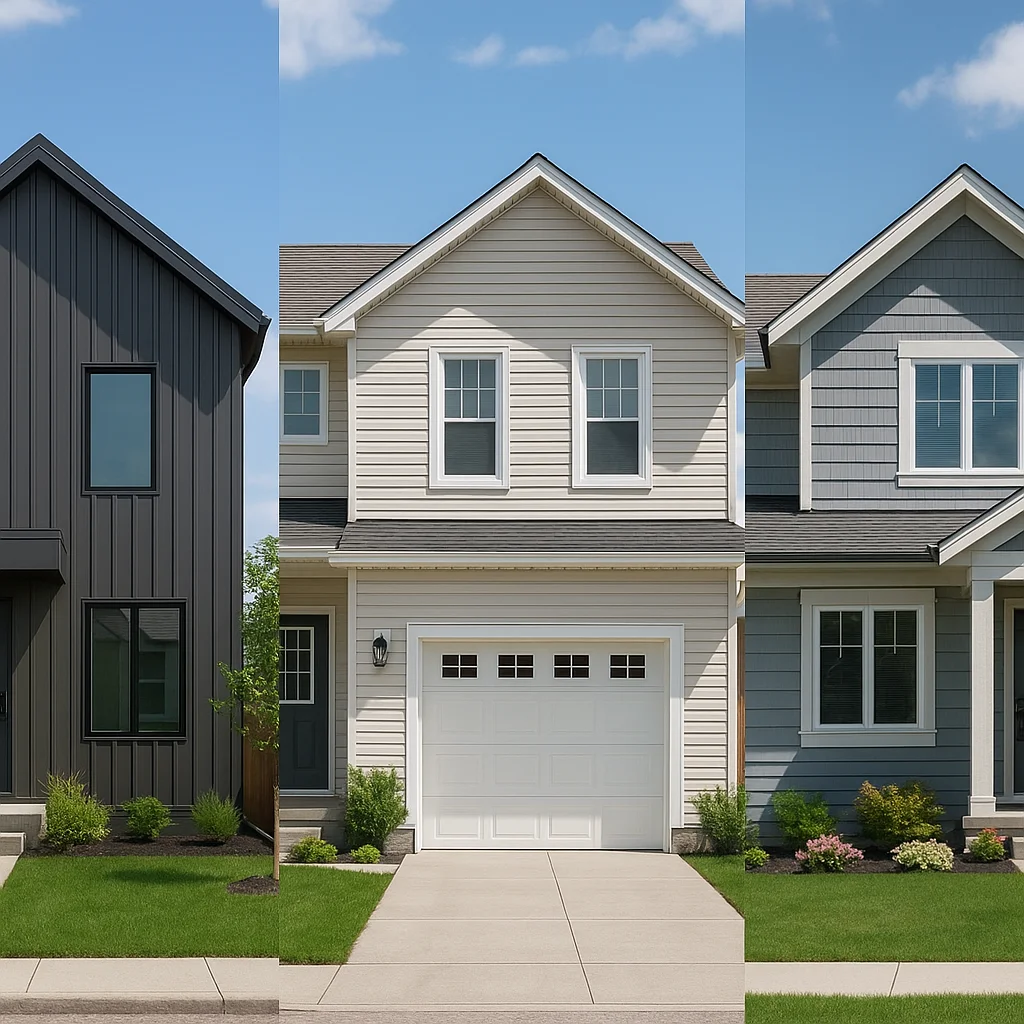
Choosing siding for your home in Canada can be difficult due to the harsh climate. Canadian siding needs to do more than look good. It must withstand harsh winters, freeze-thaw cycles, heavy snow, strong winds, and hot summers. Homeowners in Canada usually choose metal, vinyl, or James Hardie siding. Each type has strengths in performance, cost, durability, and appearance.
This guide will break down each siding option, share expert tips, and include real examples from Canadian homes.
Regardless of your needs or home style, this guide presents the top siding options for Canadian homes and explains how we can help you select the best option. Now, let's compare the main siding types you'll encounter in Canada and examine their pros and cons.
What siding companies near me offer?
Most of them install common types of siding: steel, aluminum composite panels, also hardie board and vinyl siding. The difference?
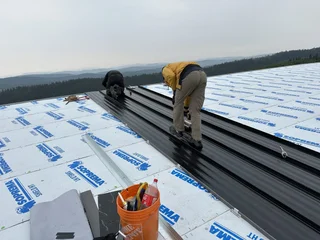
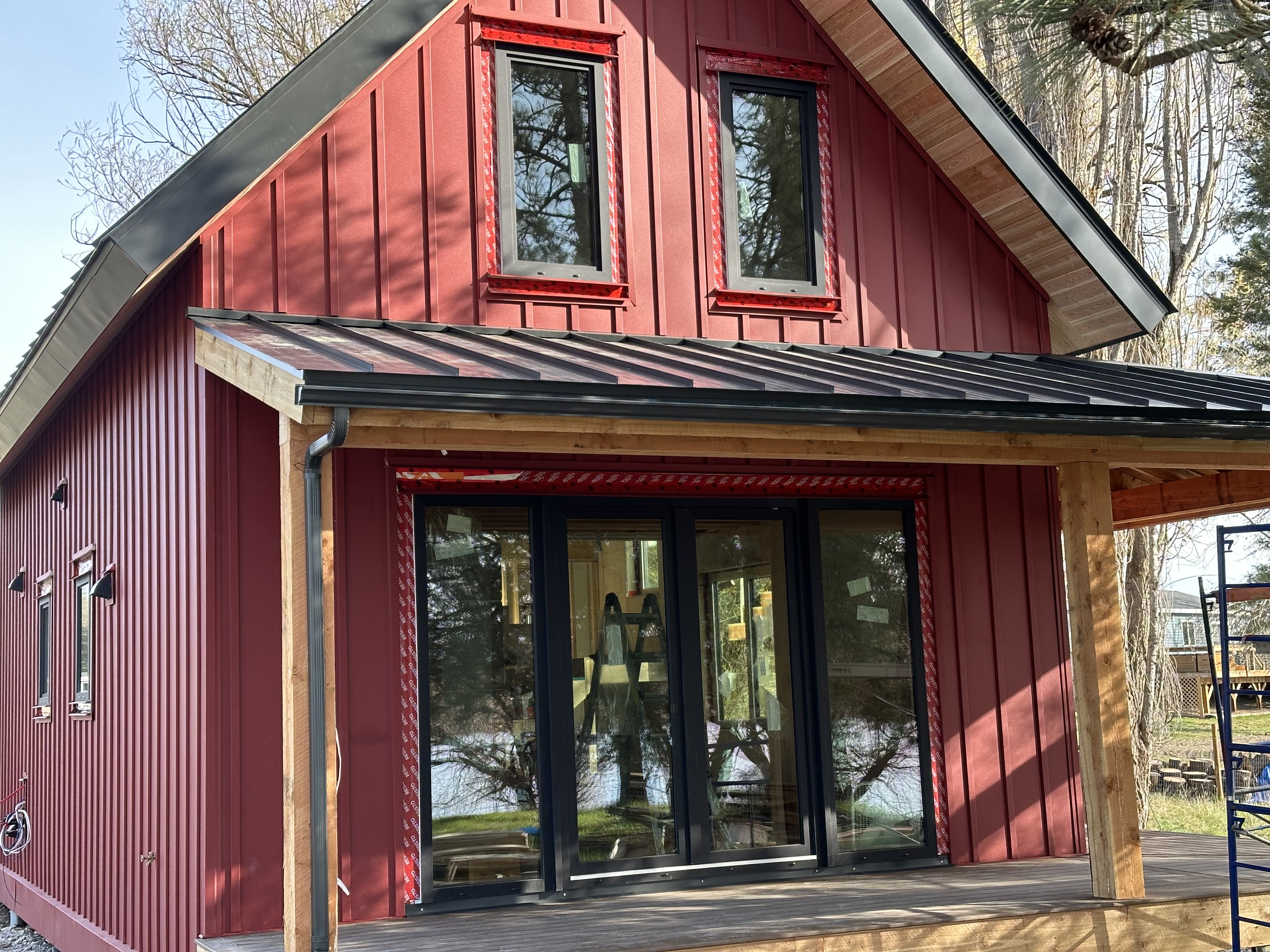
Metal siding is often made from aluminum or steel panels that resist the elements. It’s durable, fire-resistant, and long-lasting. This makes it a popular low-maintenance choice for Canadian homeowners. Cost in Calgary starts from $9/sq.ft.
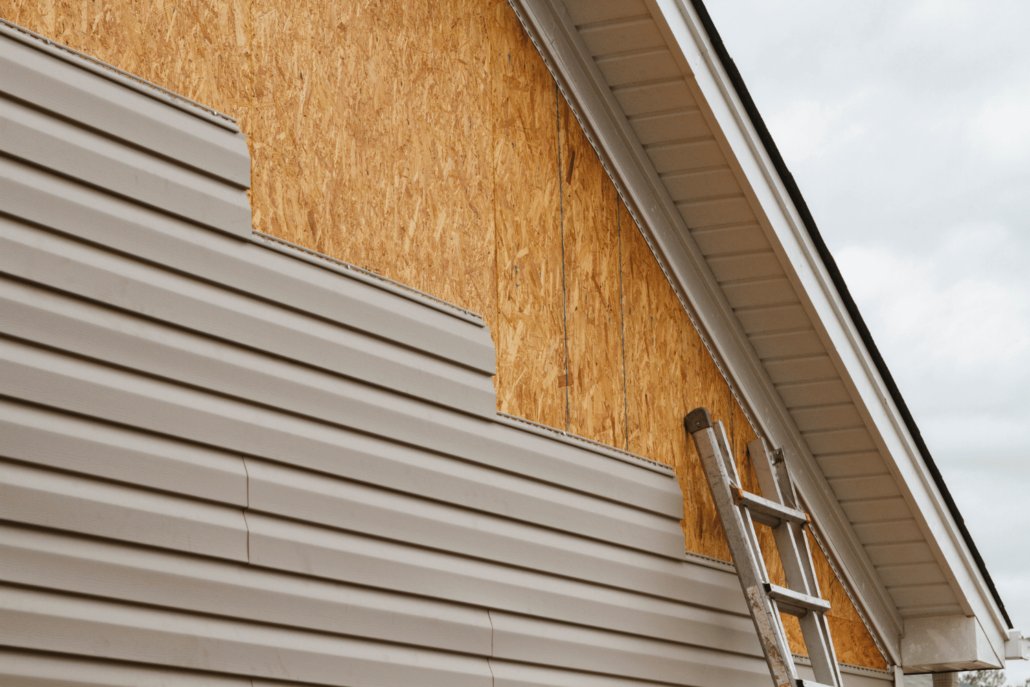
Vinyl siding is the most popular choice in North America. It’s made from polyvinyl chloride (PVC), so it’s light, not expensive, and easy to put on. But vinyl can get hard and crack in very cold weather, like we have in Calgary.
Hardie board or board and batten siding is made from cement, sand, and cellulose fibers. It’s very durable, fire-resistant, and built for tough Canadian winters. Many homeowners like its high-end look and reliable performance.
Trusted Canadian experts like Mike Holmes recommend James Hardie building products for their longevity and safety.
He says: “They won’t crack, burn, or rot - they’ll last for years in Canada’s toughest climates.”
How Common Siding Materials Hold Up in Canada’s Climate
| Climate Factor/ Perfomance | Metal Siding | Vinyl Siding | Hardie (Fibre Cement) |
| Resistance to Cold, Freezing, Thaw Cycles | Outstanding resistance; no cracking or splitting | Prone to cracking and splitting in freezing temperatures | Strong in cold; may require repainting over time |
| Wind & Storm Resistance | Withstands hurricane-level winds; no warping | Can be dislodged or damaged in high winds | Strong and impact-resistant but heavy |
| Handling Heavy Snow & Ice Build-Up | Snow and ice slide off easily; no buildup | Can warp or buckle under pressure | Handles snow well; occasional repainting needed |
| Wildfire & Heat Resistance | 100% fire-resistant; best for wildfire areas like Jasper | Can melt or warp near high heat sources | Highly fire-resistant; second only to metal |
| Durability & Maintenance | 50+ year lifespan; minimal maintenance; won’t warp, split, or rot | 20-30 year lifespan; may need repairs or early replacement | 30-40 year lifespan; requires painting or sealing over time |

Siding Types: Insulation & Energy Efficiency
- Metal siding helps insulate homes, and adding a rigid foam backing makes it even more effective.
- Vinyl siding comes in insulated and non-insulated versions. For the best energy efficiency in Canada, go with the insulated type.
- Hardie borad gives good insulation when used with other house wraps.
Thermal Reflection
- Steel reflects solar heat. This keeps interiors cooler in summer.
- Vinyl is less reflective. This can lead to higher cooling costs.
- Hardie is moderately reflective but still efficient.
Read more: James Hardie Siding in Alberta: The Ultimate Choice for Calgary Homes
Costs of Siding: Price and ROI
- Installation costs for metal siding are higher - starts from $9 per square foot. However, it offers better ROI.
- Installation Costs for Vinyl Siding: $5/sq.ft. (most affordable).
- Installation costs for Hardie board siding are mid- to high-range - starts from $9/sq.ft. as metal siding.
Choosing the Right Siding for Canada’s Different Climates
To pick the best siding for your Canadian home, you need to know how different materials handle the country’s changing weather—from the cold Prairies to the rainy coasts of B.C. Think about your local climate and what matters most to you, like durability, cost, and upkeep.
- Metal siding works well in places with tough weather, like Alberta (Calgary, Edmonton, Lethbridge, Red Deer) and Saskatchewan (Regina, Saskatoon), where hail, strong winds, and rapid temperature changes are common. It stands up to impacts, fire, and extreme temperatures better than most other options, making it a smart long-term choice for harsh Prairie and mountain areas.
- Vinyl siding is affordable and works best in areas with mild weather, such as parts of Southern Ontario (Toronto, Hamilton, Windsor) and Southern British Columbia (Victoria, Kelowna). It can crack if it gets too cold and may warp in very hot weather, so how long it lasts depends a lot on your local climate.
- Hardie (fibre cement) siding is well-suited for moisture-heavy and mixed climates like Vancouver, Burnaby, Surrey, and coastal areas across British Columbia, as well as humid regions in Ontario (Ottawa, London) and Quebec (Montreal, Quebec City). It resists rot, swelling, and fire, and offers an architectural look that fits both modern and traditional homes.
FAQs About Siding in Canada
Q1: Which siding type lasts longest in Canadian weather?
Metal siding lasts over 50 years, making it more durable than vinyl or Hardie siding.
Q2: Is metal siding noisy in the rain or hail?
No. Modern installation methods with underlayment make metal siding as quiet as other sidings.
Q3: Does vinyl siding crack or warp in freezing conditions?
👉 Yes. Vinyl siding is brittle and can crack easily in winter.
Q4: Is James Hardie siding worth the extra cost?
Yes. Hardie siding offers a balance of durability, fire resistance, and aesthetics that many homeowners may appreciate.
Q5: What siding offers the best energy efficiency?
Metal siding with added insulation typically provides the best thermal performance.
Q6: Can I get a free siding estimate in Calgary?
Yes. You can request a free estimate from Construct Vision today.
Conclusion
Choosing between metal, vinyl, and James Hardie siding depends on what matters most to you. For durability, longevity, and environmental considerations, metal siding is a strong choice. Vinyl siding is cost-effective, while Hardie siding offers a resilient and attractive alternative.
To achieve the best results in Canadian weather conditions, it’s important to work with an experienced installer.
Contact Construct Vision to explore siding options and request a free estimate.