
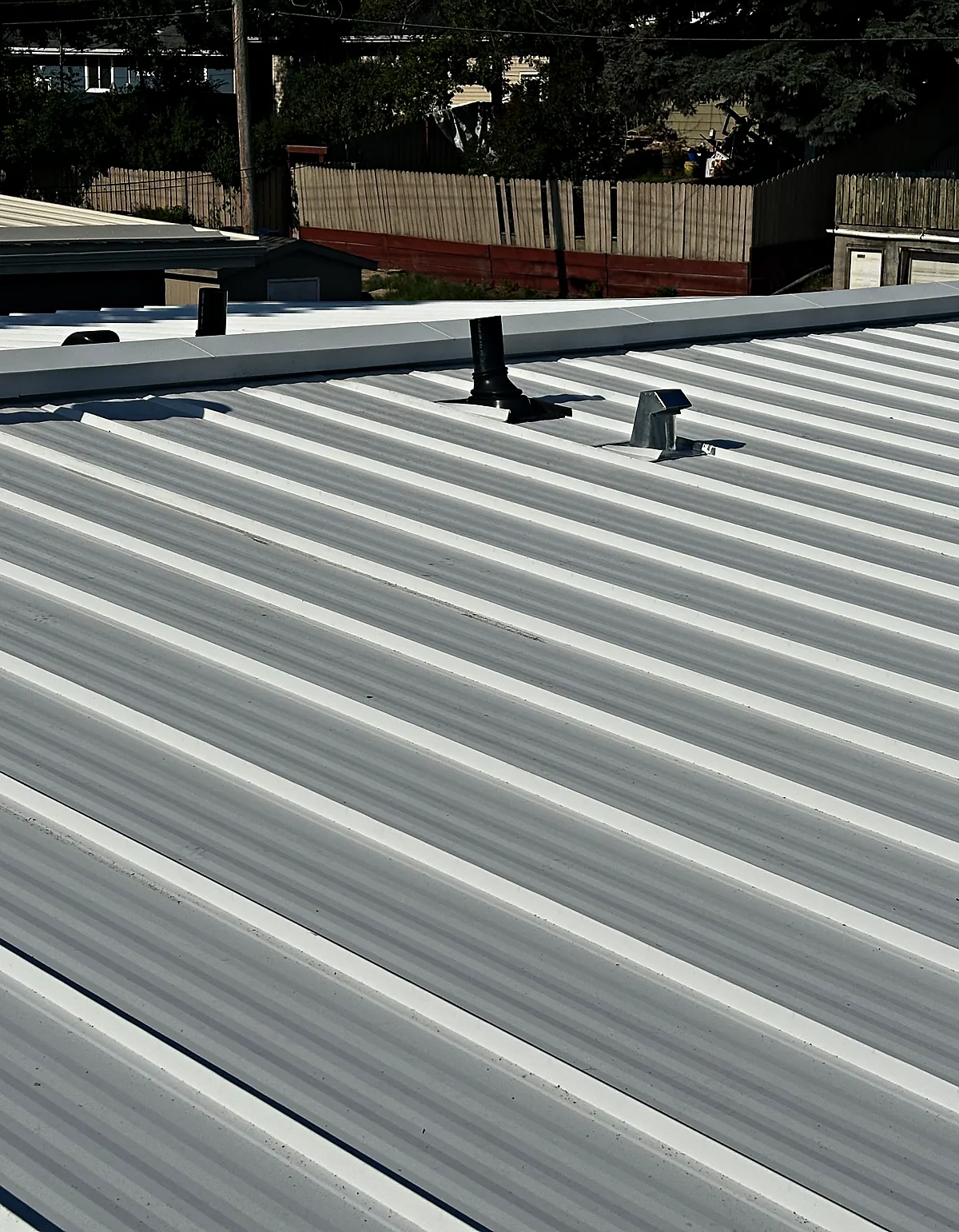
Ridge
Capped with a flashing we form ourselves, made to the roof rather than bought to length.
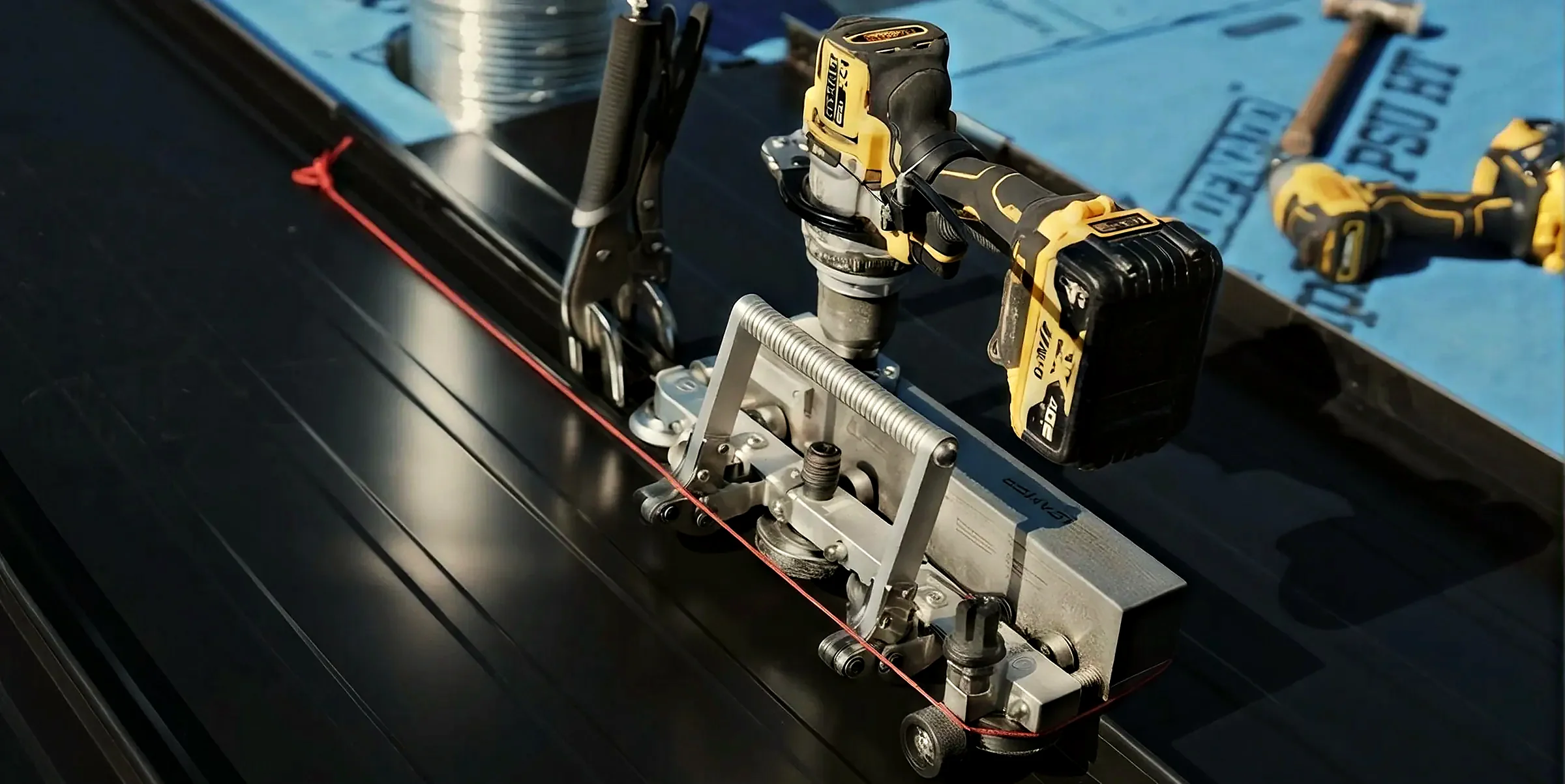
Most metal roofs in Alberta are snap-lock, pressed together by hand. Ours are folded twice by a seaming machine on site, for complex geometry, low slopes and heavy snow.
Ask any roofer for these figures before you sign. Here are ours, and what they mean for your roof.
Zinc-coated on both sides. Thick enough to sit flat across wide panels.
Down to flat roofs with parapets, where the seams are soldered in zinc or copper. Snap-lock needs 4:12 or steeper.
How tight a curve the panels can follow, for barrel roofs, turrets and curved canopies.
Hail the size of a pigeon egg leaves no mark on 24 gauge steel. Hail the size of a chicken egg can dent it, but it will not break through, and the roof will not leak.
A roof is more than the panels you see. Here is every layer, from the deck up.
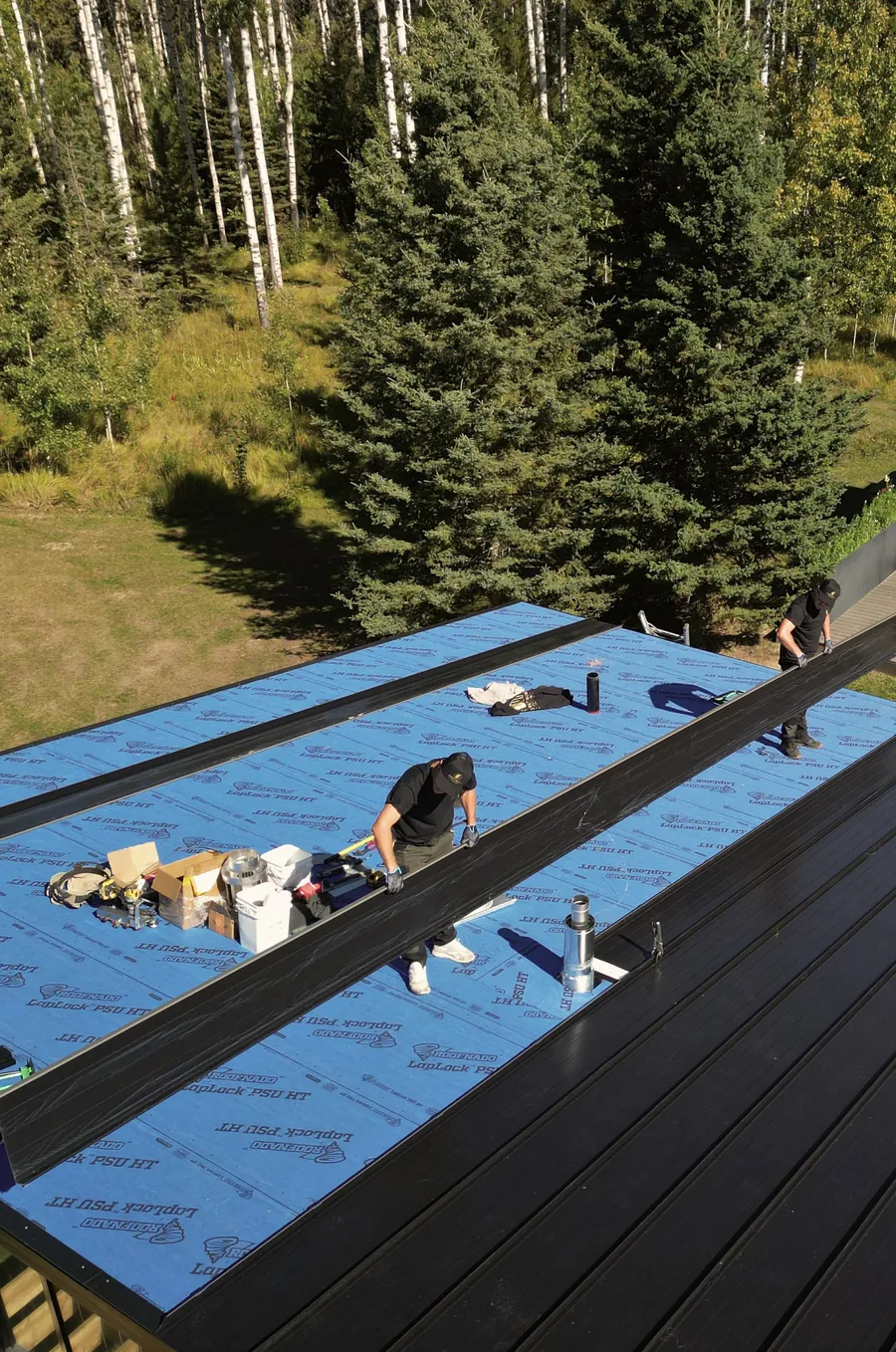
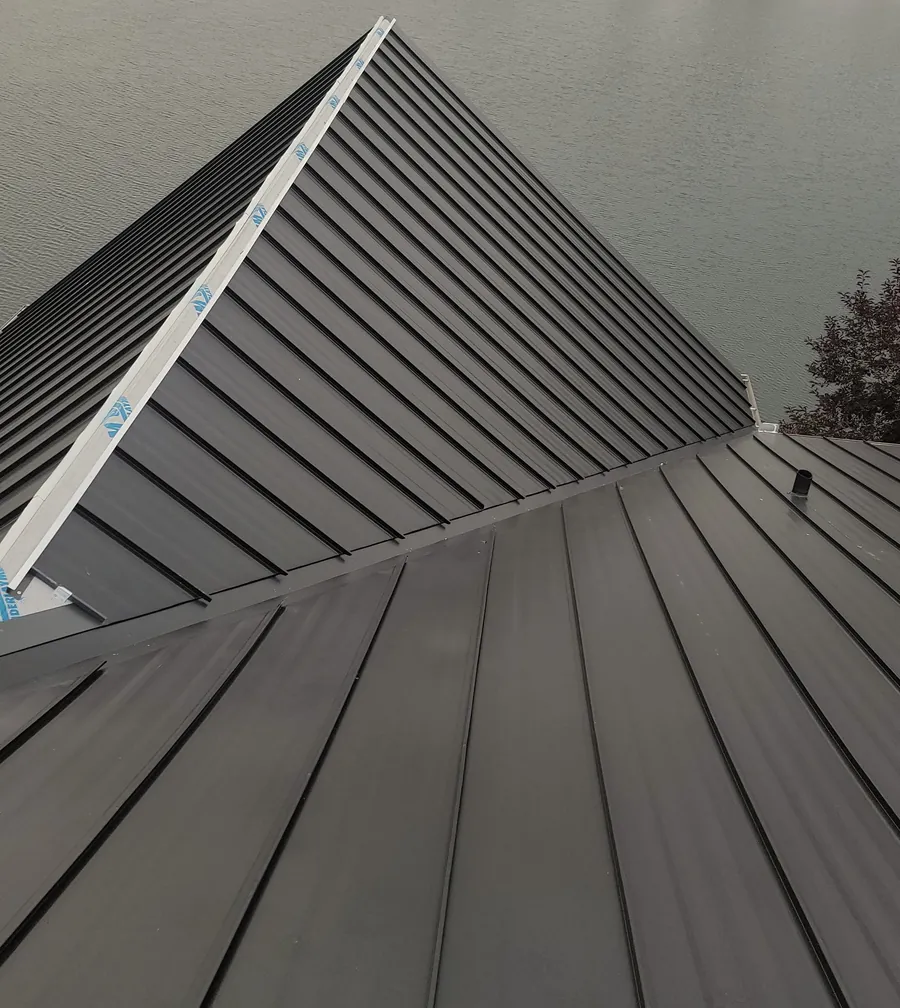
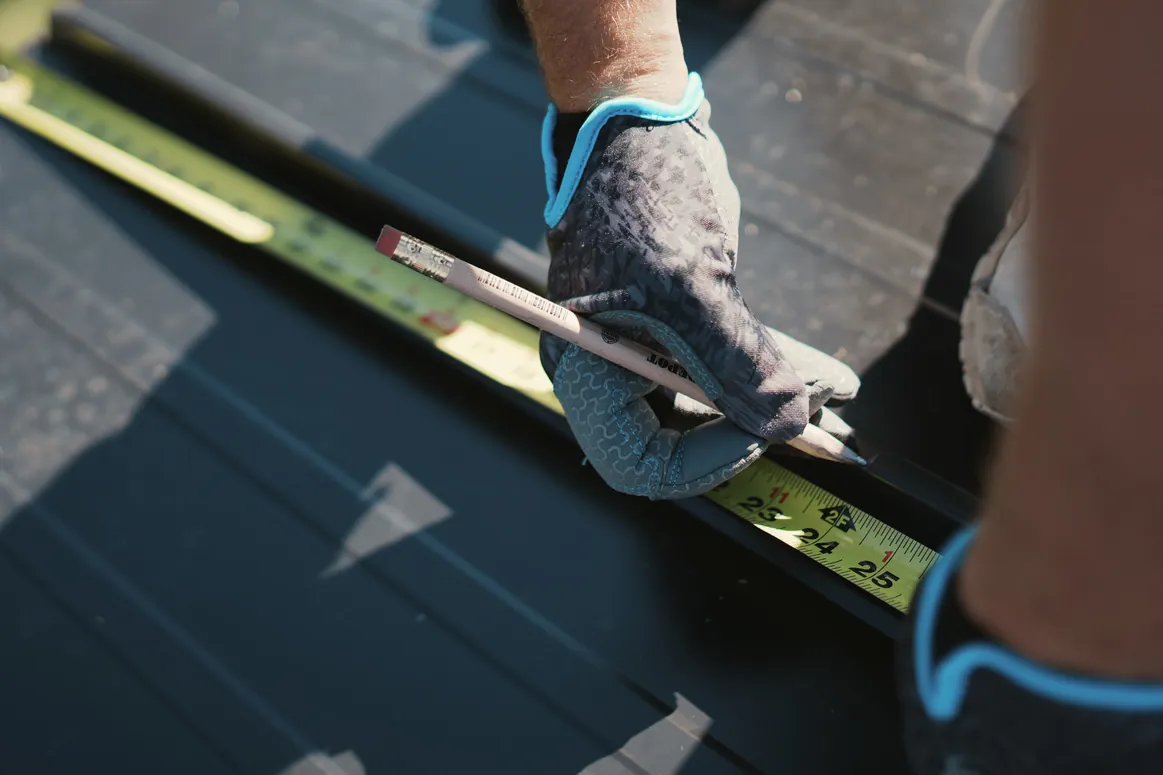
24 gauge steel, 0.61 mm, zinc-coated on both sides. Widths of 12, 14 or 16 inches.
Self-adhered ice and water membrane over the whole deck, as the building code requires.
Formed from the same metal as the roof, so edges and overhangs match the panels instead of off-the-shelf trim.
Clips are set out fixed and sliding by wind zone and building height, then each seam is folded through 180 degrees in two passes.
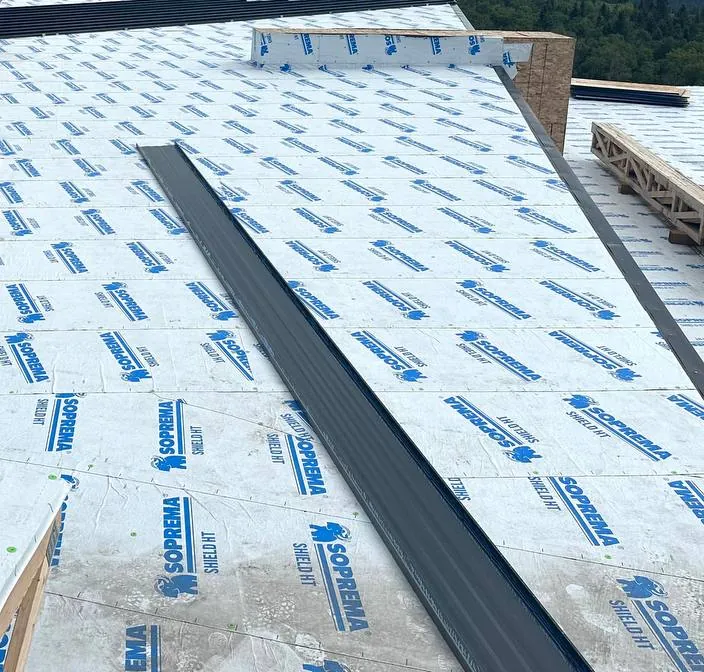
Capped with a flashing we form ourselves, made to the roof rather than bought to length.
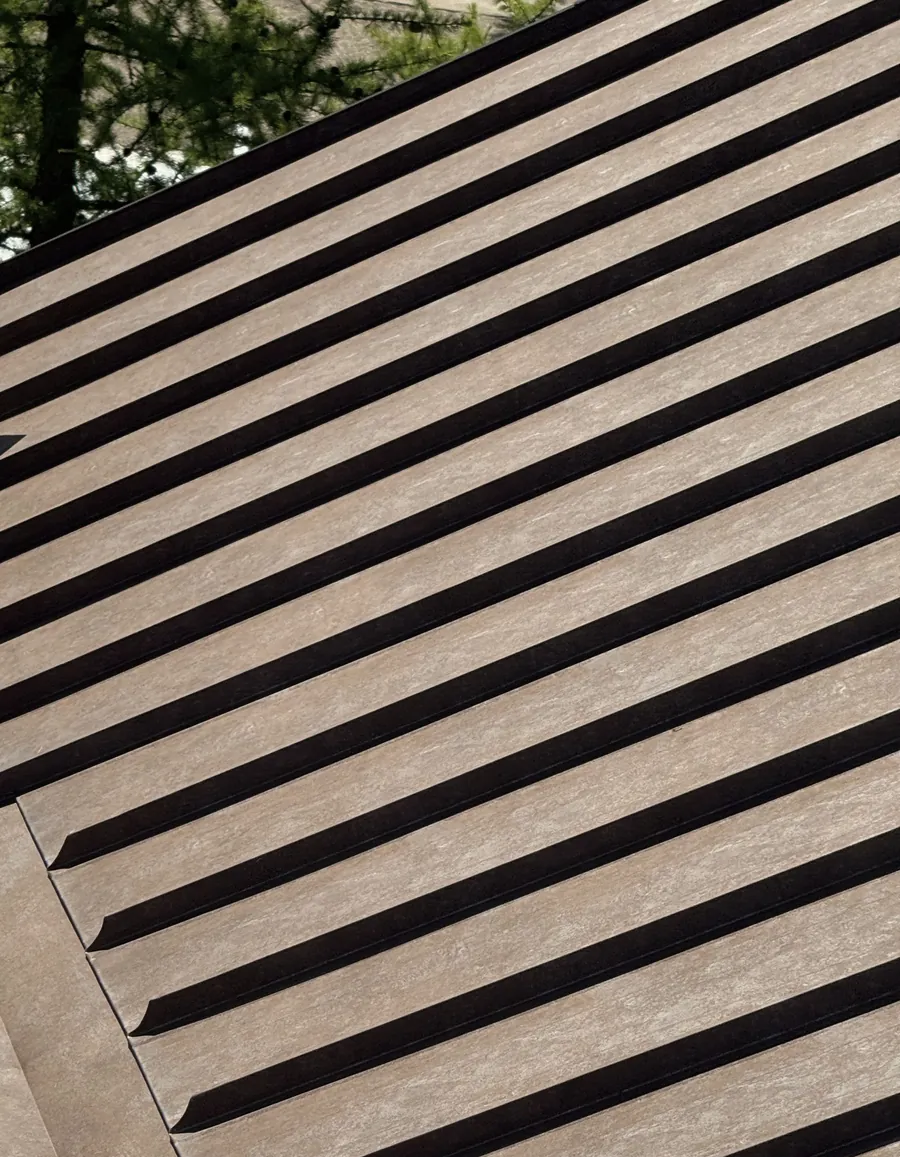
On a low slope the valley is soldered, not lapped and sealed with caulk.
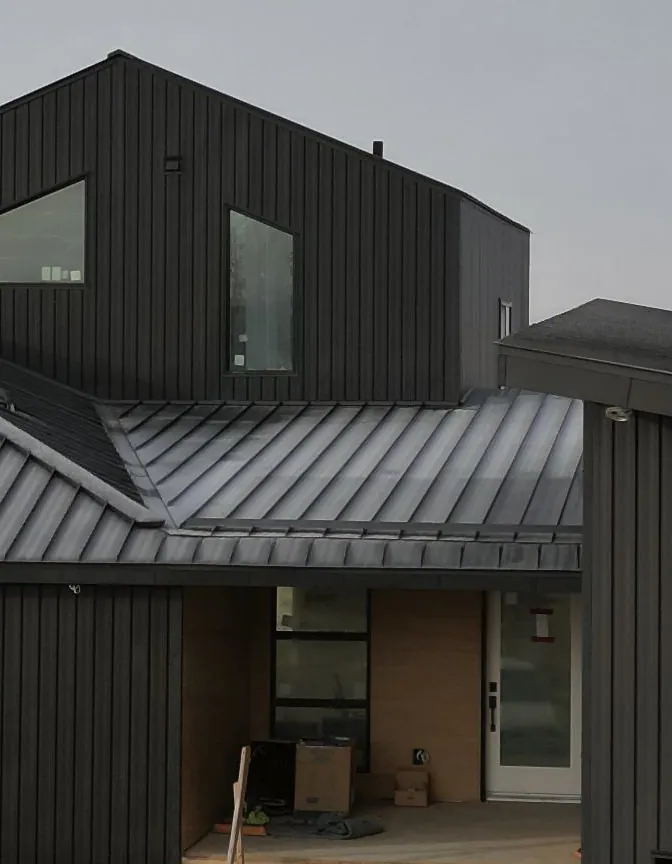
Flashing is made to the wall on site and soldered where caulk would fail.
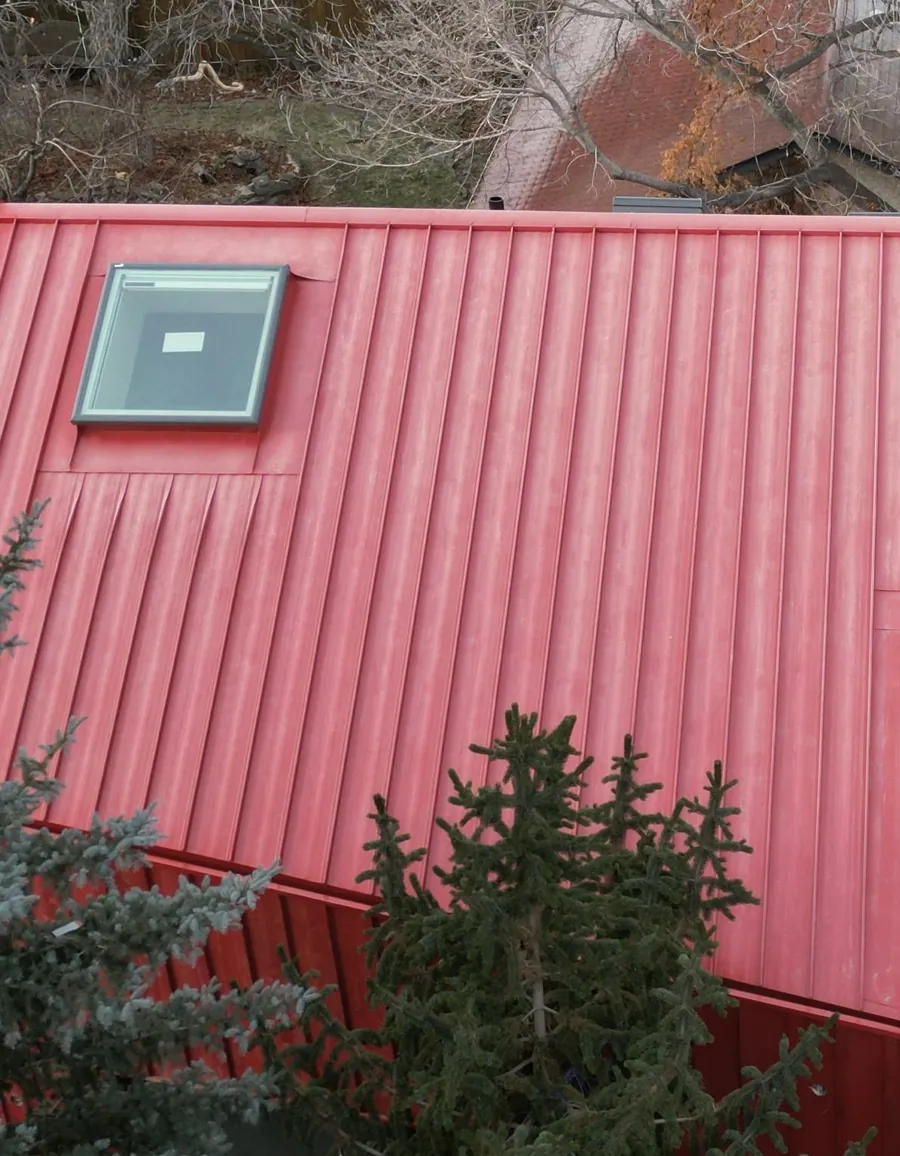
Skylights, vents and chimneys are detailed before a panel is formed, with ice and water membrane underneath.
Our most popular colours for standing seam roofs. Not sure which one suits your house? We'll help you choose.
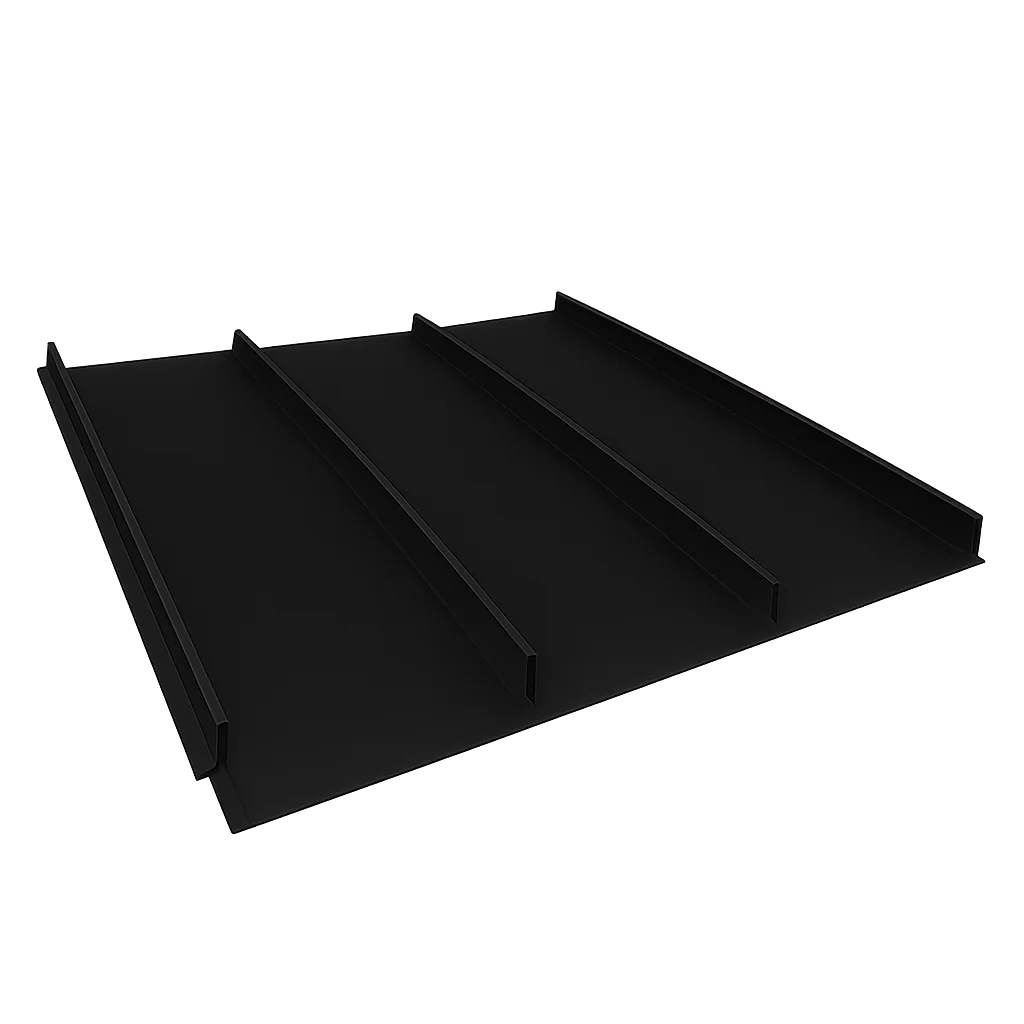
Deep black. Looks clean and sharp on modern homes.
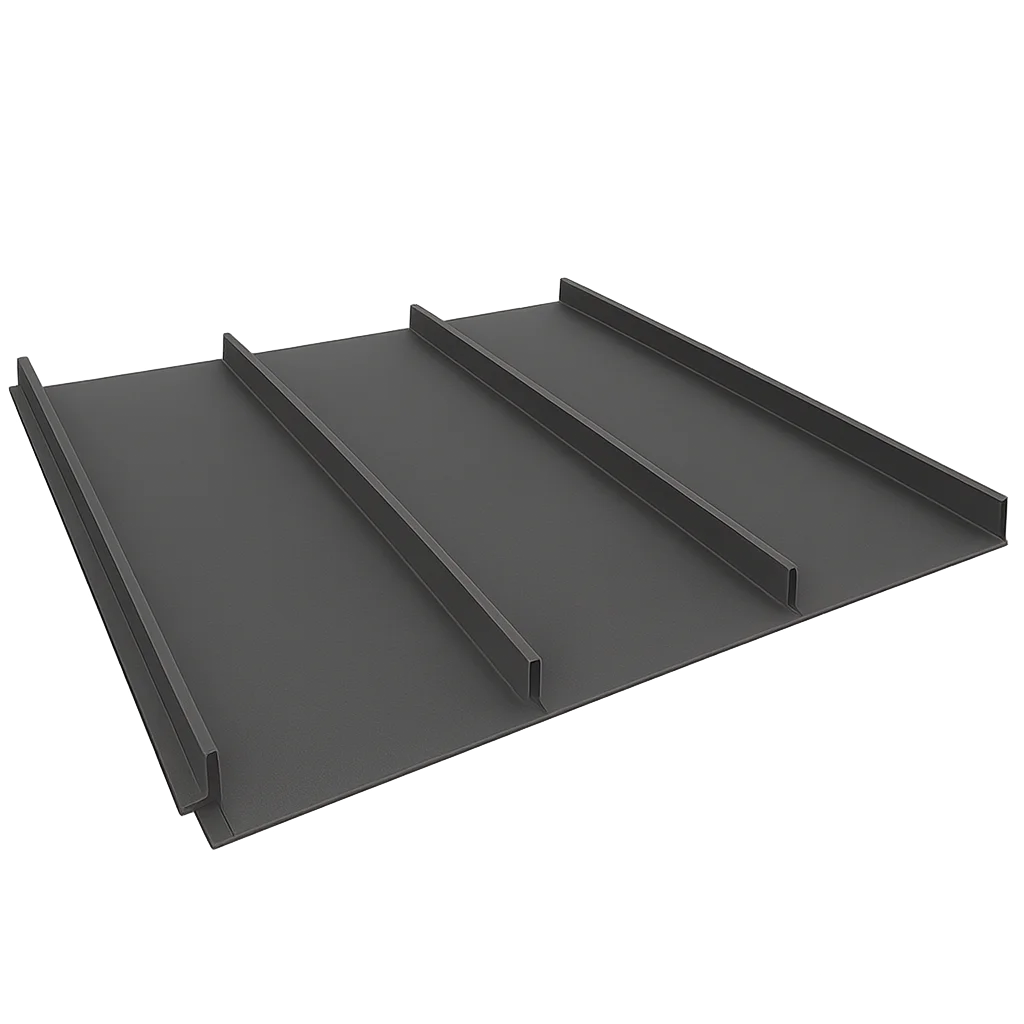
A mid grey that goes with almost any exterior.
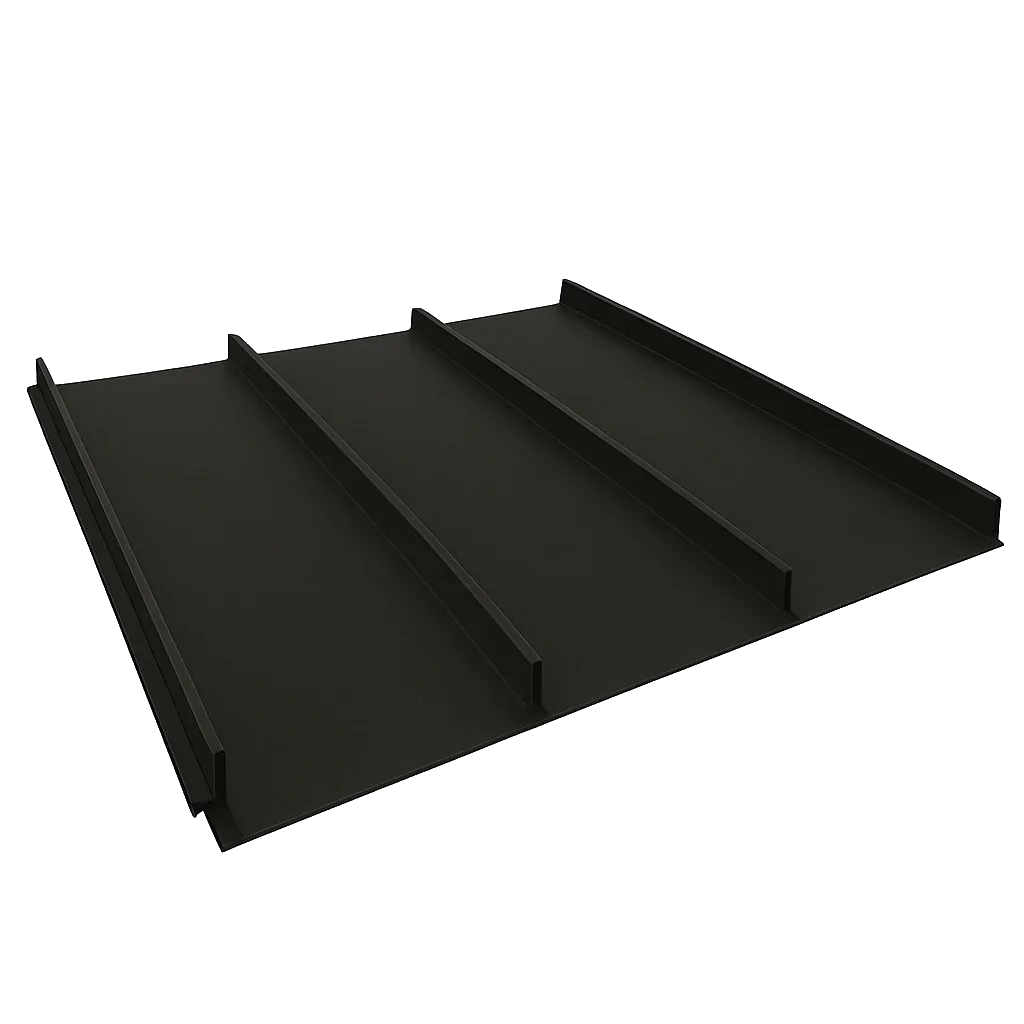
Deep charcoal, a little softer than black.
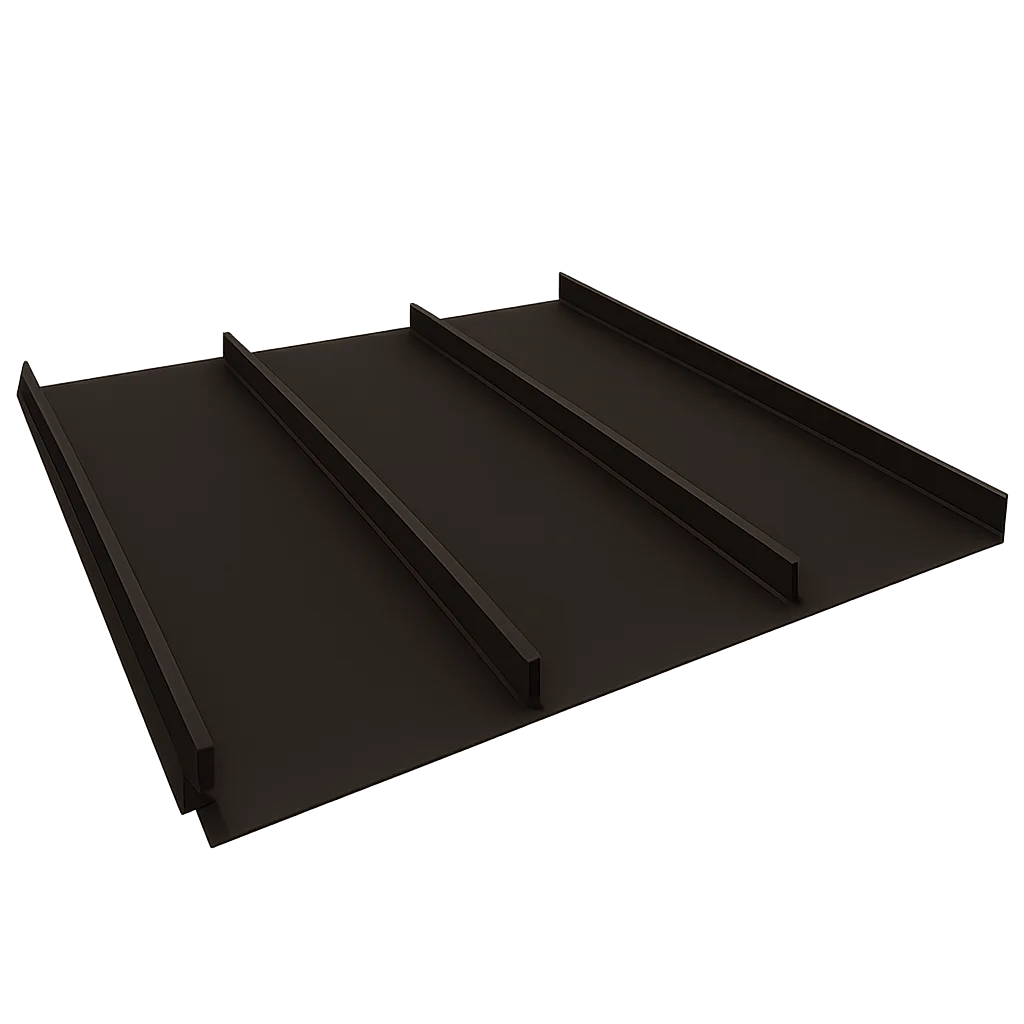
A warm brown that sits well next to wood and stone.
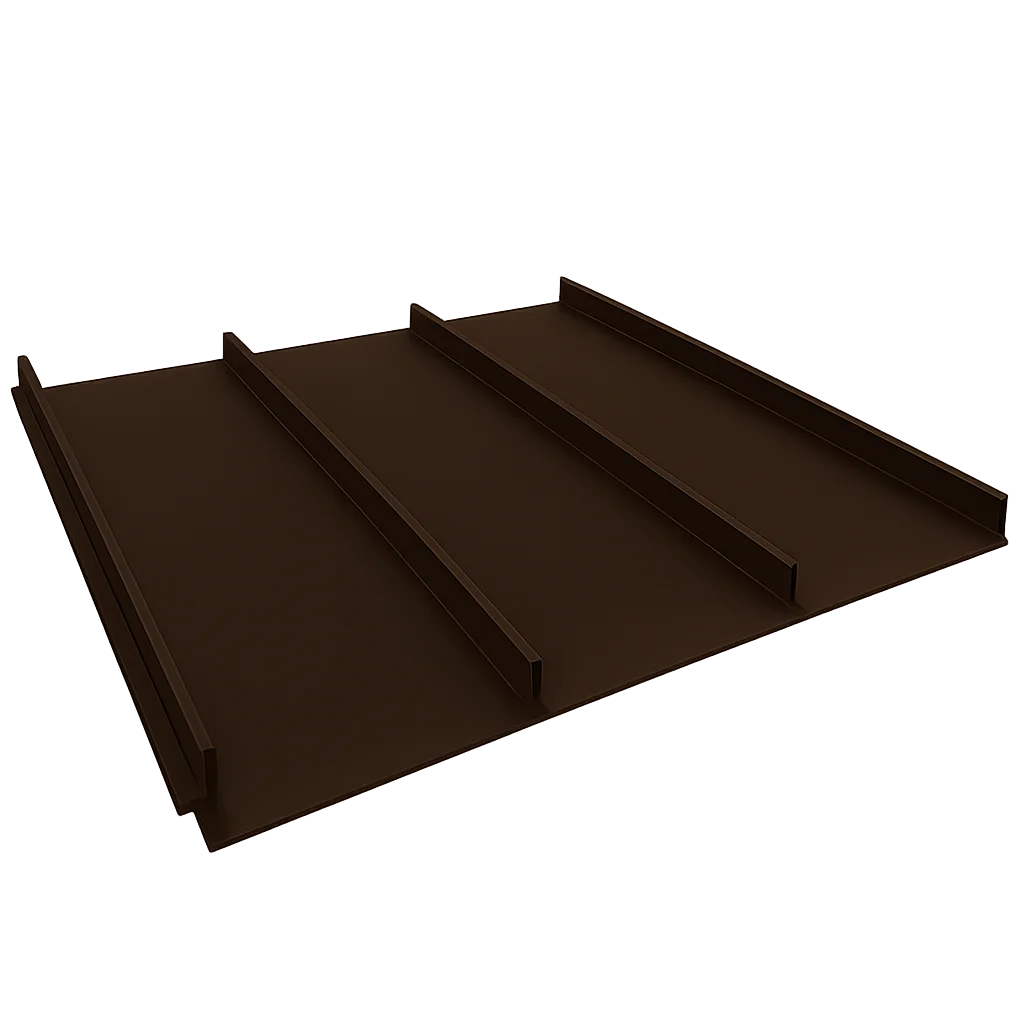
A warm coffee brown for a more traditional look.
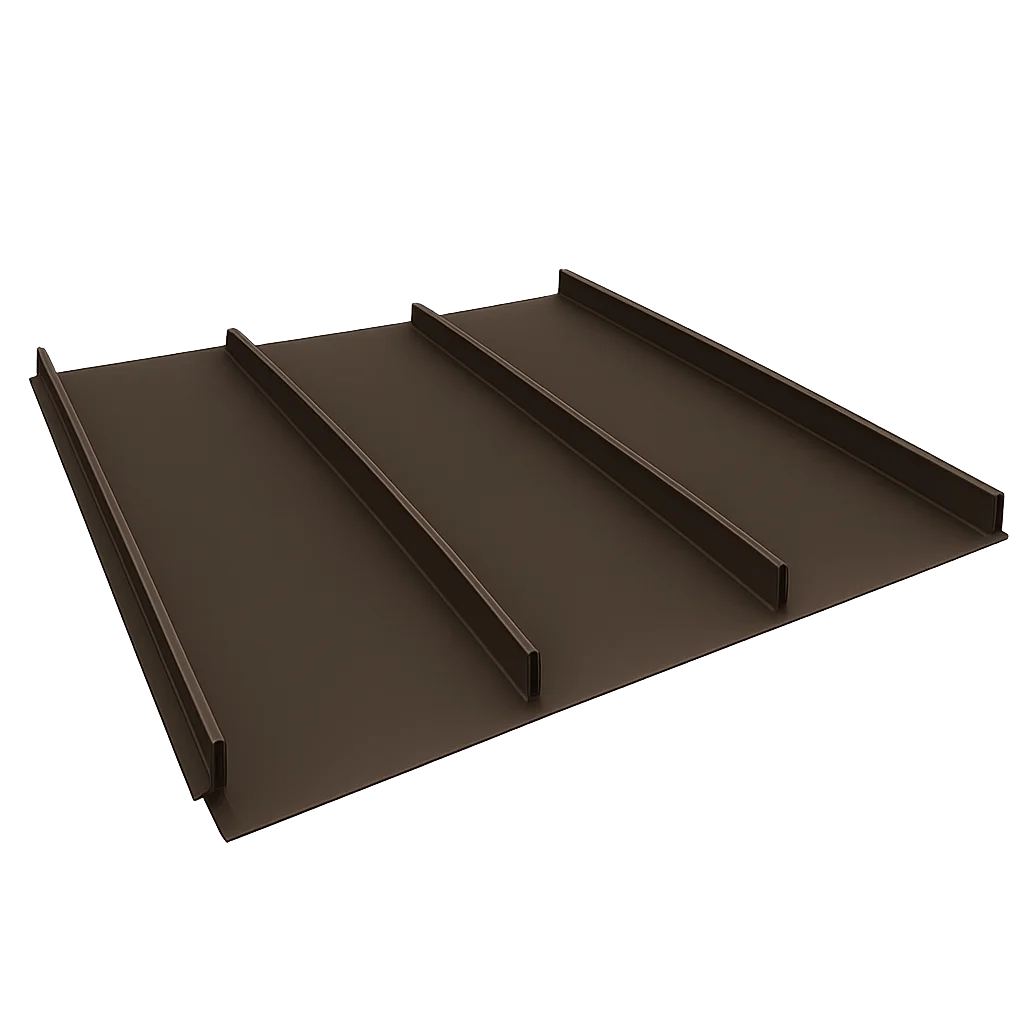
Grey with a hint of brown, softer than black.
Other colours from the Cascadia palette on request.
Estimate your roofArea, pitch and shape give you a working range before anyone visits.
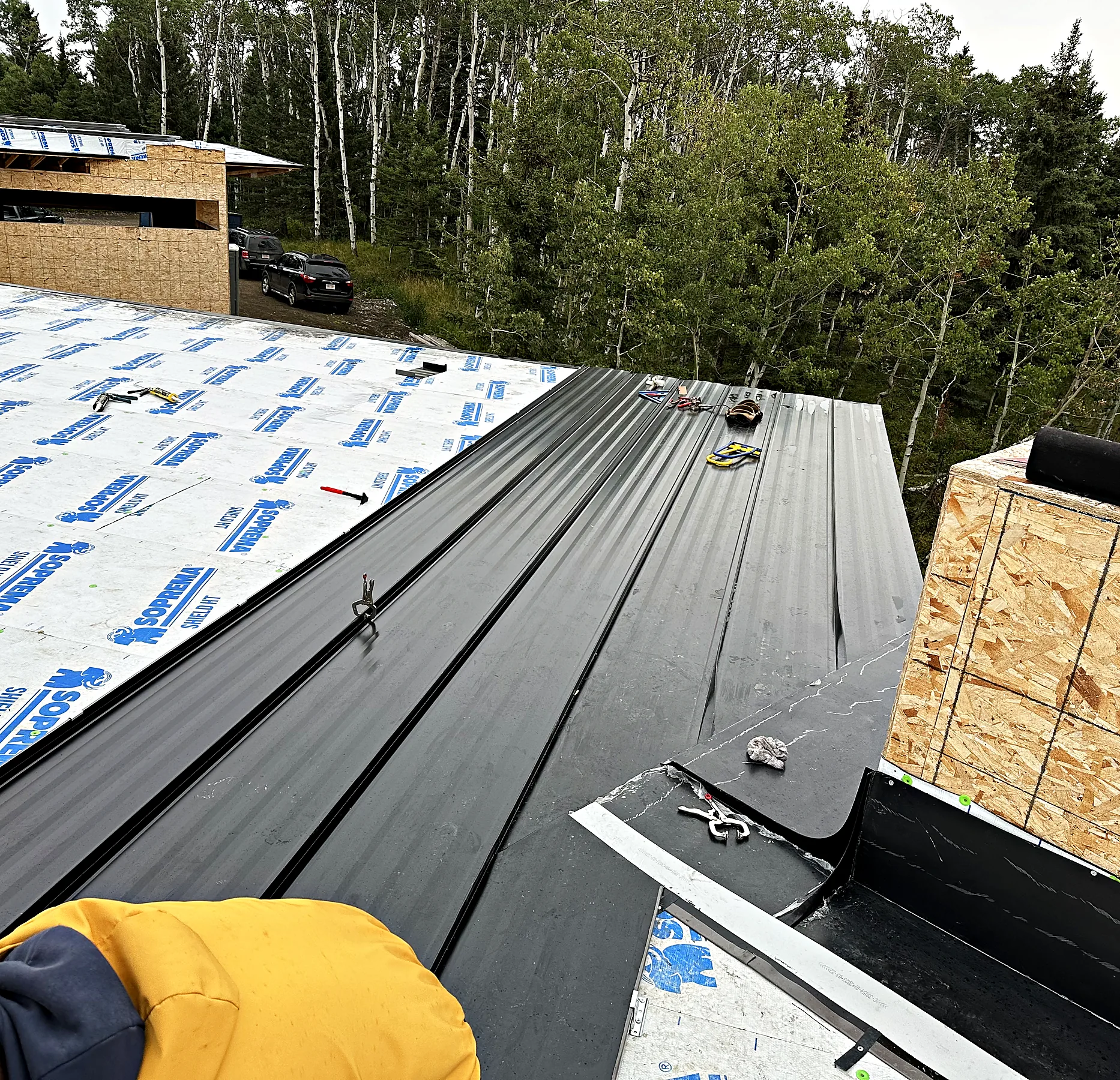
Panels are formed to the exact run of each slope, in most cases on site, then seamed by machine.
A final walk-through, with photographs of the details you cannot see from the ground.
We price the roof from drawings or a satellite roof report, then visit the house before any material is ordered.
Every edge, valley and wall junction is drawn out before a single panel is cut.
Double-lock standing seam near Sundre. Valleys, penetrations and details were formed and closed by hand, with no exposed screws anywhere on the roof.
See more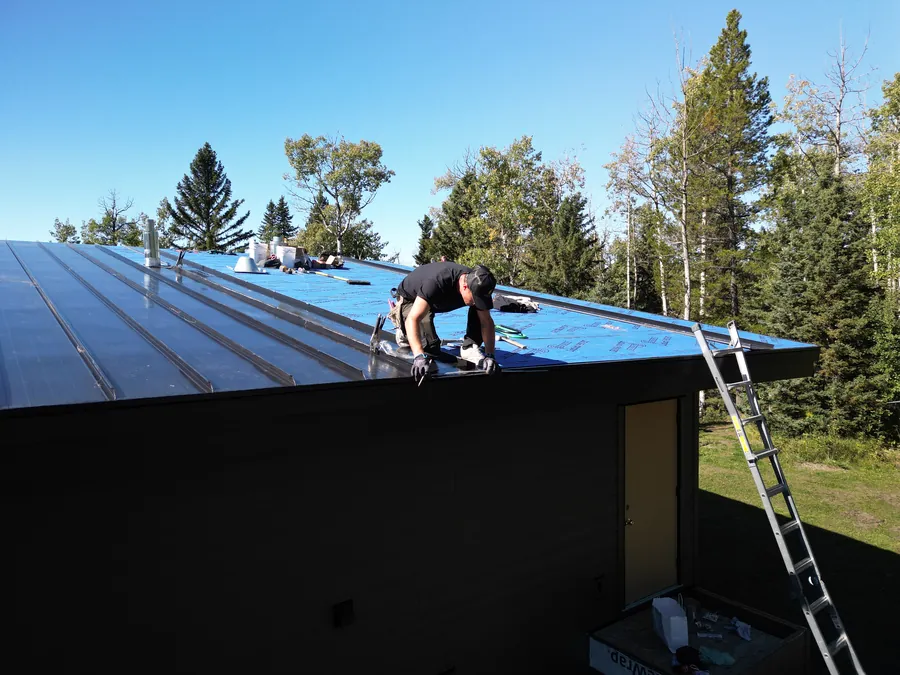
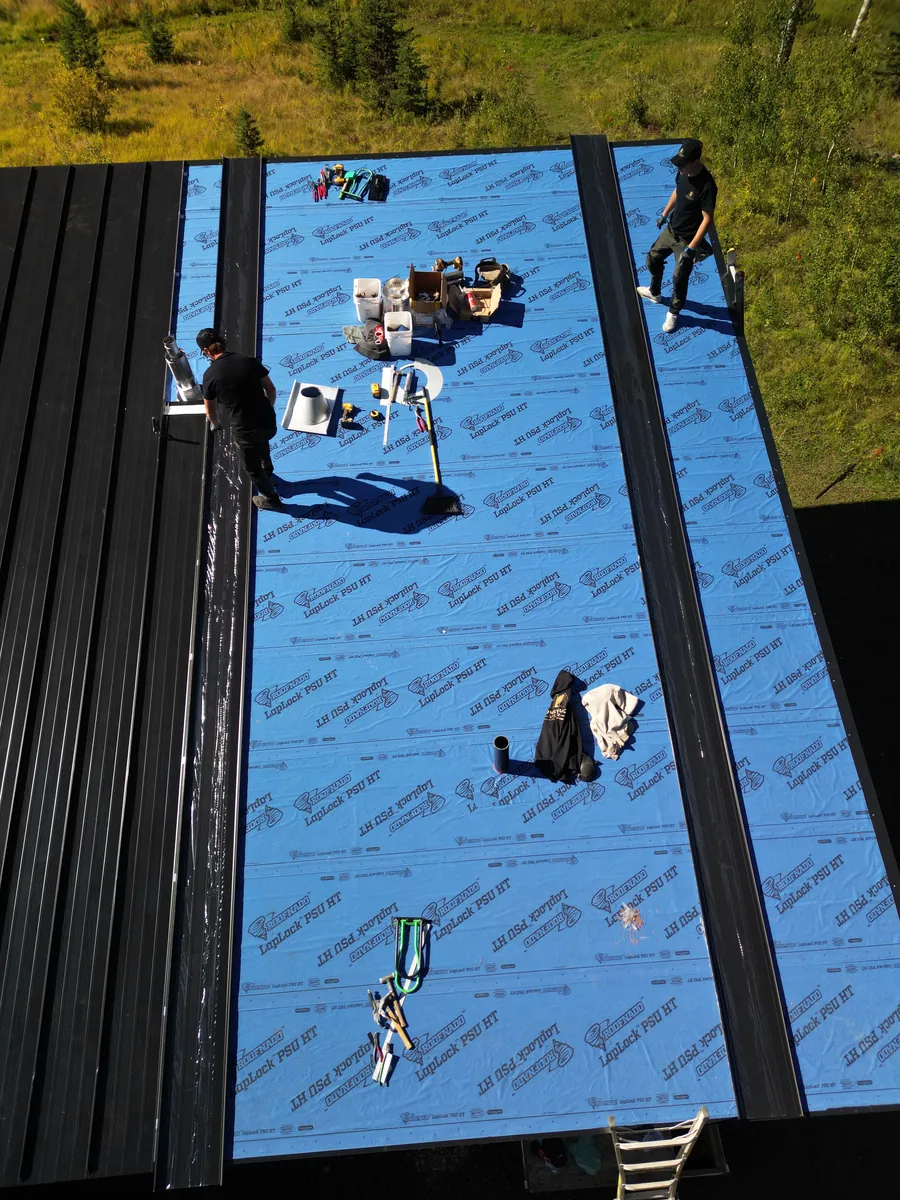
Double-lock standing seam over a high-temperature underlayment, so the panels can move freely as the roof heats and cools.
See more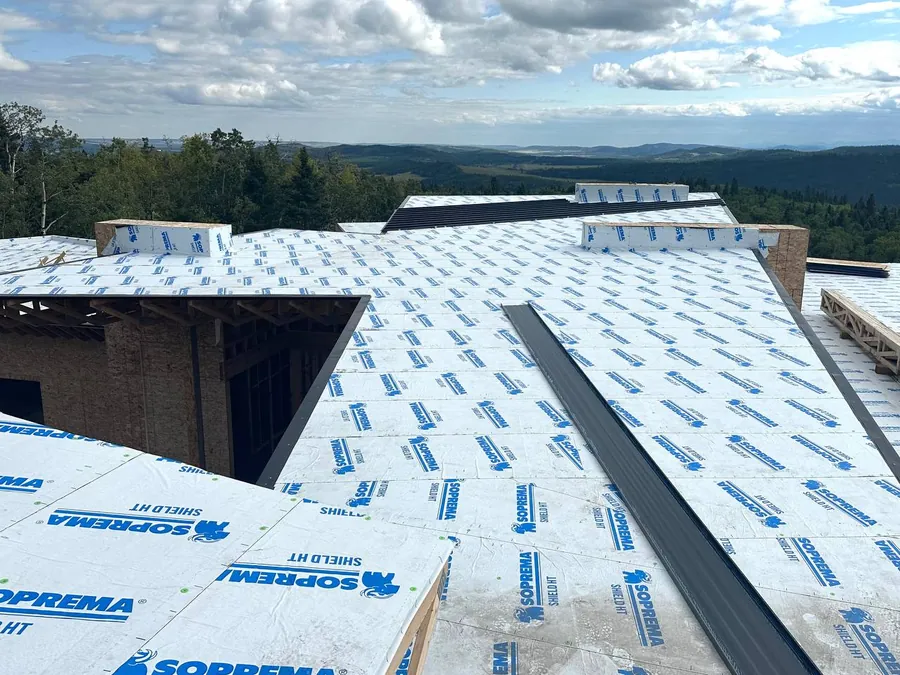
Very little. It needs an annual look at the flashings, ridge and transitions, and clearing debris so water drains where it should.
Hail the size of a pigeon egg leaves no mark on 24 gauge steel. Hail the size of a chicken egg can dent it, but it will not break through, and the roof will not leak. Steel does not crack or lose granules the way asphalt does.
A straightforward house is two to three weeks. Complex geometry, soldered detailing or copper runs longer. We install year-round, and have closed seams at minus 25 to minus 30 °C.
Labour, almost entirely. The metal is similar. The seaming machine, the clip layout, the soldered flashings and the slower pace are what you are paying for. On a simple, steep roof, snap-lock may be all you need, and we'll tell you.
No. Existing layers come off so the deck can be checked for rot, movement and flatness. A standing seam roof shows every dip underneath it.
Every roof is priced by the same formula: material, area, pitch and shape. Try it on yours.
Start the estimate